Science
Impact
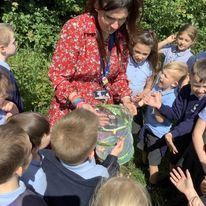
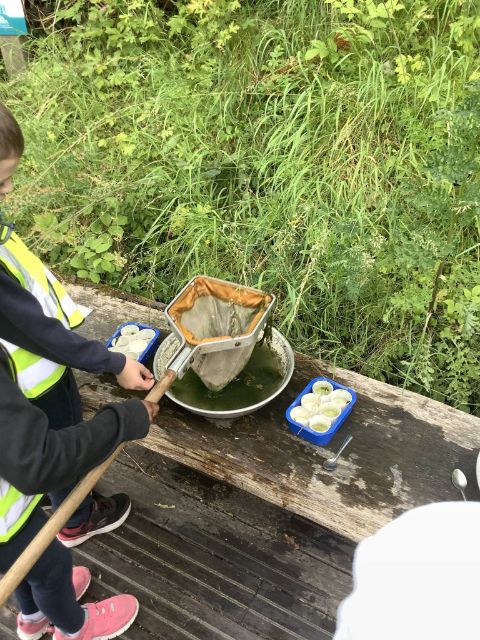
At Hoo St Werburgh Primary School, we believe that pupils excel when acquiring key scientific knowledge and concepts through practical, first-hand learning experiences. We aim to foster curiosity about natural phenomena, instilling excitement in the process of understanding the world around them. Our curriculum is designed to provide pupils with ample opportunities to develop their independent scientific enquiry skills through rich and stimulating learning experiences.
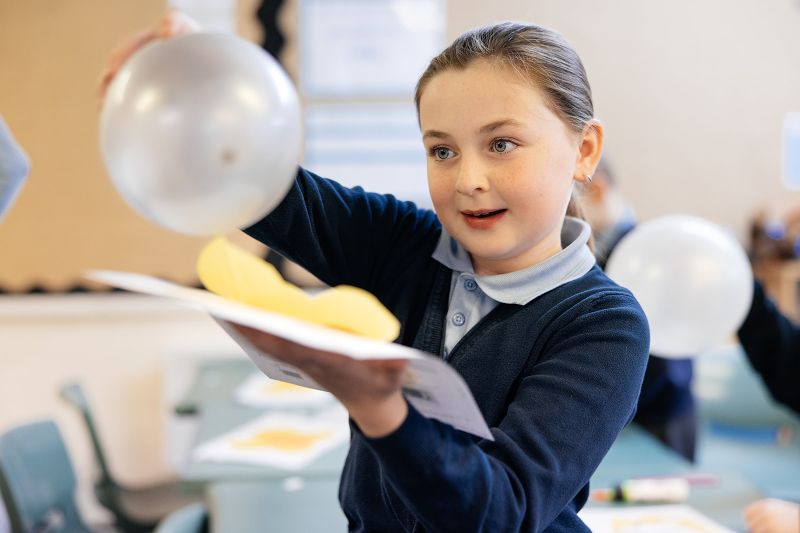
We promote an educational atmosphere that encourages pupils to explore and challenge their thinking. This is achieved by engaging them in asking and answering questions to investigate various scientific concepts, making predictions, and conducting experiments using both their prior and newly acquired knowledge. We aspire for our pupils to possess the self-confidence required to articulate their reasoning clearly, employing appropriate scientific vocabulary.
Moreover, we value the importance of positive self-esteem and resilience in our learners, emphasising that incorrect predictions are a natural part of the learning process. By nurturing these skills and attitudes, we equip our pupils not only with scientific understanding but also with lifelong skills that will benefit them in all areas of their education and beyond.
Implementation
At Hoo St Werburgh Primary School, the implementation of the science curriculum is rigorously guided by The National Curriculum in England for Science and the Statutory Framework for the Early Years Foundation Stage (EYFS). These frameworks serve as the foundation for our curriculum planning, ensuring that outcomes for each year group are effectively met. The comprehensive programme of study outlines a logical sequence of scientific knowledge and concepts, enabling pupils to cultivate a secure understanding of key topics, ultimately facilitating their progression to higher levels of learning.
A central component of our curriculum is the use of Knowledge Organisers, which are shared with pupils and their parents. These resources explain key scientific concepts and terminology, fostering an inclusive learning environment. Teachers are committed to providing practical opportunities within the classroom that allow pupils to apply their skills, thereby enabling them to articulate their scientific knowledge in a clear and precise manner.
In the Early Years, science instruction is delivered through a blend of adult-led and child-initiated activities. These experiences are designed to promote the development of basic scientific vocabulary and concepts through challenging, practical, and purposeful play-based tasks. By engaging with these activities, pupils begin to cultivate an understanding of scientific enquiry that aligns with the EYFS outcomes, particularly in the specific area of Understanding the World, with key links to all prime areas of learning.
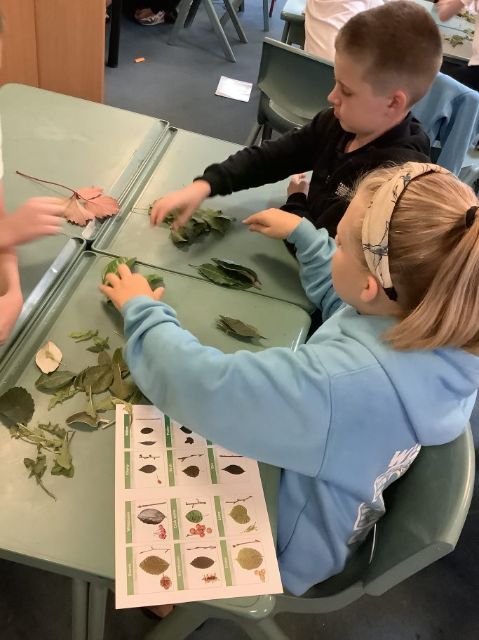
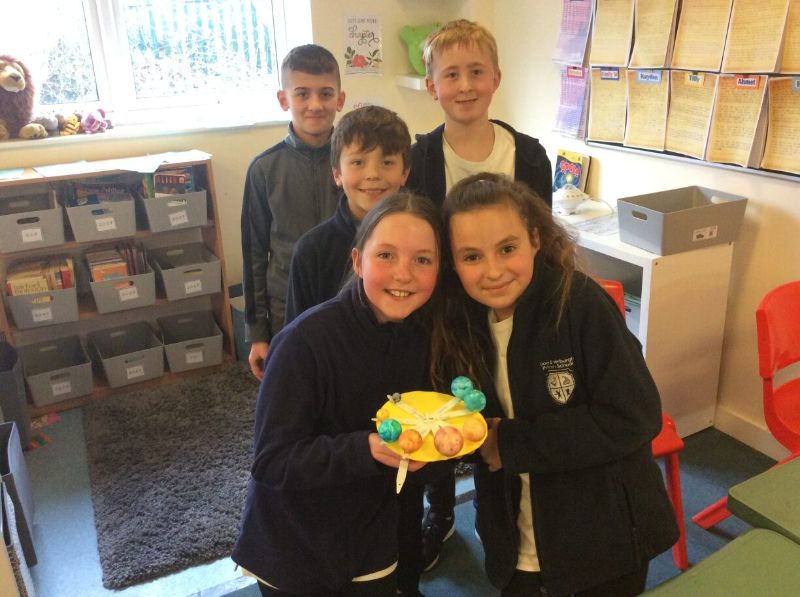
Pupils are immersed in a diverse array of engaging and stimulating lessons across the three core scientific disciplines: biology, chemistry, and physics. Our curriculum encompasses a wide range of topics, including plants, animals (including humans), materials, seasonal changes, habitats, rocks, light, forces, states of matter, sound, electricity, earth and space, and evolution and inheritance. Science lessons are often intricately woven into our termly learning journeys but may also be taught as discrete units. Through captivating hooks, pupils are encouraged to develop independent scientific enquiry skills, such as observing over time, pattern seeking, identifying and classifying, conducting comparative and fair testing (controlled investigations), and undertaking research using secondary sources.
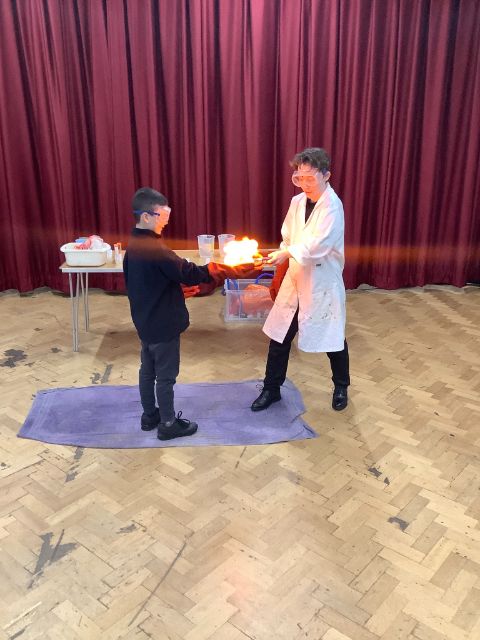
To bolster their scientific understanding, pupils are prompted to perform simple tests and experiments employing scientific apparatus to gather and record data. This hands-on approach not only reinforces their scientific and mathematical knowledge but also empowers them to draw well-informed conclusions.
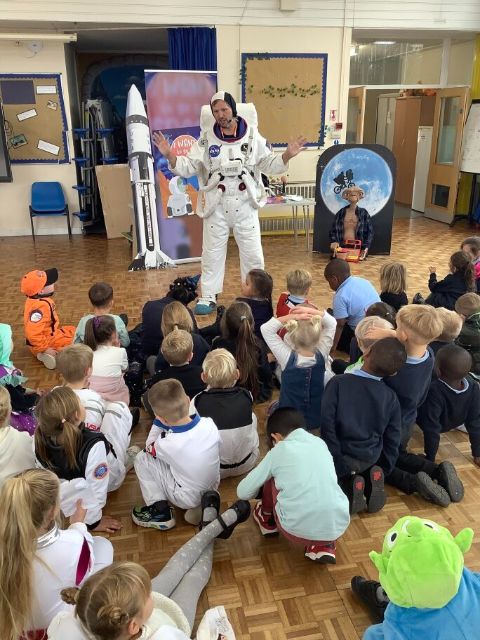
The White Rose Science programme is employed to comprehensively address all facets of the science curriculum while providing a universal offer within our educational setting. Moreover, pupils have the opportunity to nurture their scientific curiosity through dedicated science days, guest visits from specialists, and explorations of contemporary scientific advancements.
Impact
The impact of the curriculum on pupils' progress in science is monitored through a comprehensive and systematic approach. Continuous assessment for learning is embedded within the planning, teaching, and learning cycle, ensuring that educators are able to adapt their methods and resources in response to pupils’ needs. Observations, assessments, and the recall of prior learning during science lessons are integral to assessing student understanding and engagement with the content.
The subject leader plays a pivotal role in this process by analysing data during Term 2, Term 4, and Term 6. This analysis is complemented by lesson observations, book looks, and moderation practices, which together contribute to a holistic view of teaching effectiveness and pupil progress. The outcomes from these evaluations are communicated back to staff to facilitate ongoing professional development, ensuring the science curriculum remains responsive and tailored to the diverse needs of all pupils.
Tracking pupils’ attainment and progress in science is effectively managed through our HAT (Hoo Assessment Tracker). This ensures that teachers have access to accurate and relevant data that informs their instructional strategies and supports the identification of areas requiring further attention. In instances where additional support is deemed necessary, the subject leader is proactive in organising staff meetings that include Continuous Professional Development (CPD) sessions, fostering a consistent whole-school approach to science education.
As pupils advance through the Key Stages, evidence indicates that they effectively build upon their prior knowledge to deepen their comprehension of scientific concepts and develop a robust understanding of scientific enquiry. They are equipped to conduct simple experiments, meticulously recording their findings through scientific diagrams and articulating conclusions that substantiate or challenge existing ideas and arguments. This progression not only strengthens their scientific literacy but also enhances their critical thinking skills, preparing them for future academic challenges and instilling a lifelong curiosity for scientific exploration.
Science Gallery